
Guides
Paying for treatment in China: foreign cards, wallets, and hospital bills
Plan hospital deposits, foreign-card payments, wallet fees and insurance paperwork before treatment. Understand what a payment arrangement does—and what it includes.
By MedicCN, Editorial research · Official policy and payment sources verified · published 2026-08-23 · sources checked 2026-09-26
Card rules, wallet limits and fee figures are the published policies quoted in the article. Acceptance and billing practices vary by hospital; confirm the payment route for your case before treatment.
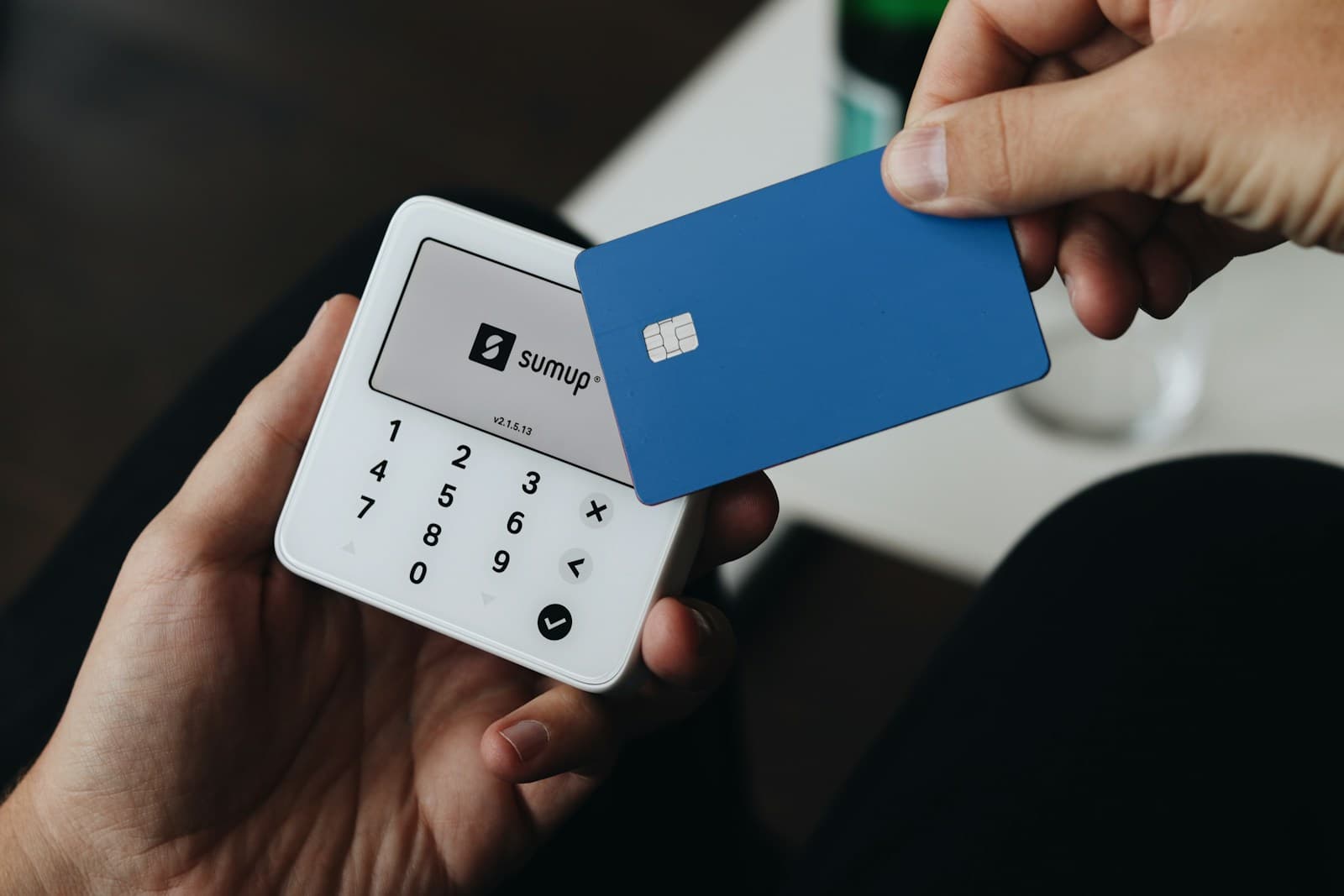
Arrange the hospital payment before relying on a wallet
Plan a hospital deposit separately from everyday QR purchases. A card or wallet that works in a shop does not establish that a particular hospital campus can accept it for admission.
| Method | Use | Main constraint |
|---|---|---|
| Hospital card terminal | Cashier accepting your card network | Hospital acceptance and issuer authorization |
| International card in a wallet | Eligible merchant purchases | Account limits, merchant eligibility, issuer and platform fees |
| Transfer to the hospital account | Large bills with formal bank instructions | Settlement time, currency, charges and patient reference |
| Insurance direct billing | Care authorized for direct settlement | Coverage, deductible, co-payment and authorization amount |
An estimate, a deposit and a final bill are different amounts
An estimate budgets the proposed care; a deposit is money paid in advance; the final bill records the services actually delivered.
Separate consultations, tests, drugs, procedures, implants, anesthesia, accommodation and follow-up in the estimate so that exclusions are visible. Changes to treatment or length of stay can change the bill. UFH New Hope’s financial guidance explicitly notes that an estimate may not cover all eventual charges; this illustrates an institution’s process, not a national tariff.
A deposit arrangement should identify the receiving hospital, patient name or record number, RMB amount, payment deadline and refund route. For a transfer, use the bank details formally supplied by the hospital, include the patient reference and retain the bank confirmation. Keep coordination fees separate from medical charges for reconciliation.
The standard 3% wallet fee applies to the whole payment
For international-card wallet payments, the standard platform fee is zero up to RMB 200 and 3% of the entire amount above RMB 200. Issuer conversion or foreign-transaction charges are separate; promotional waivers appear at payment.
At the standard rate, a RMB 1,000 purchase adds RMB 30, not a fee only on the RMB 800 above the threshold. For a large medical bill, compare the hospital’s available methods and total charges instead of improvising repeated split payments.
Published international-card wallet ceilings reach US$5,000 per transaction and US$50,000 annually, but these are not guaranteed allowances for every account. Identity verification, issuer controls and merchant eligibility still apply. Arrange another hospital-supported channel before admission if the deposit exceeds the usable limit.
Direct billing can still leave an out-of-pocket balance
Direct billing is a settlement method, not a promise of full coverage. Deductibles, co-payments, exclusions and costs beyond the authorization may remain payable by the patient.
UFH’s published process separates the insurer’s bill from the patient’s deductible and co-payment, and lists participating facilities separately. An insurer’s logo on a hospital website therefore does not establish authorization for your policy, treatment and campus.
Reimbursement documentation commonly includes receipts, an itemized bill and clinical records, with the exact requirements set by the claim process. Reconcile patient name, dates, currency, payments, refunds and outstanding balance before departure. A wallet or card screenshot documents a transaction but does not fully describe the medical services.
Keep cash as backup and retain the refund trail
Cash is useful for transport and small unexpected expenses. Large treatment bills are better handled through documented hospital payment channels. The RMB cash limit is RMB 20,000 per person per border crossing.
The RMB limit does not mean that any excess is permitted once declared. Foreign-currency cash exceeding US$5,000 equivalent must be declared on entry; retain the declaration and exchange records. Cash, cards and wallets each have their own charges and restrictions.
For an unused deposit, retain the original transaction reference, final bill, refund documentation and destination account. Hospital processing and the card credit may occur on different days; keep the relevant account open until settlement is complete. Any MedicCN payment assistance follows the agreed service plan and does not imply payment of every bill.