
Guides
Respiratory hospitals in China: choose the clinic for your lung condition
Three documented hospital entry points for lung nodules, interstitial lung disease and airway conditions, with questions to resolve before travelling to China.
By MedicCN, Editorial research · published 2026-10-21 · sources checked 2026-10-21
English article prepared on 21 October 2026 using the linked medical-society, public-health and hospital sources. Source verification is not clinical review: this article has not undergone independent clinical review. Hospital descriptions do not establish a partnership, overseas-patient eligibility or a confirmed appointment.
Three hospitals, three different starting points
Start with the problem you need help with. A lung nodule, suspected interstitial lung disease and poorly controlled asthma may lead to different clinics within the same hospital.
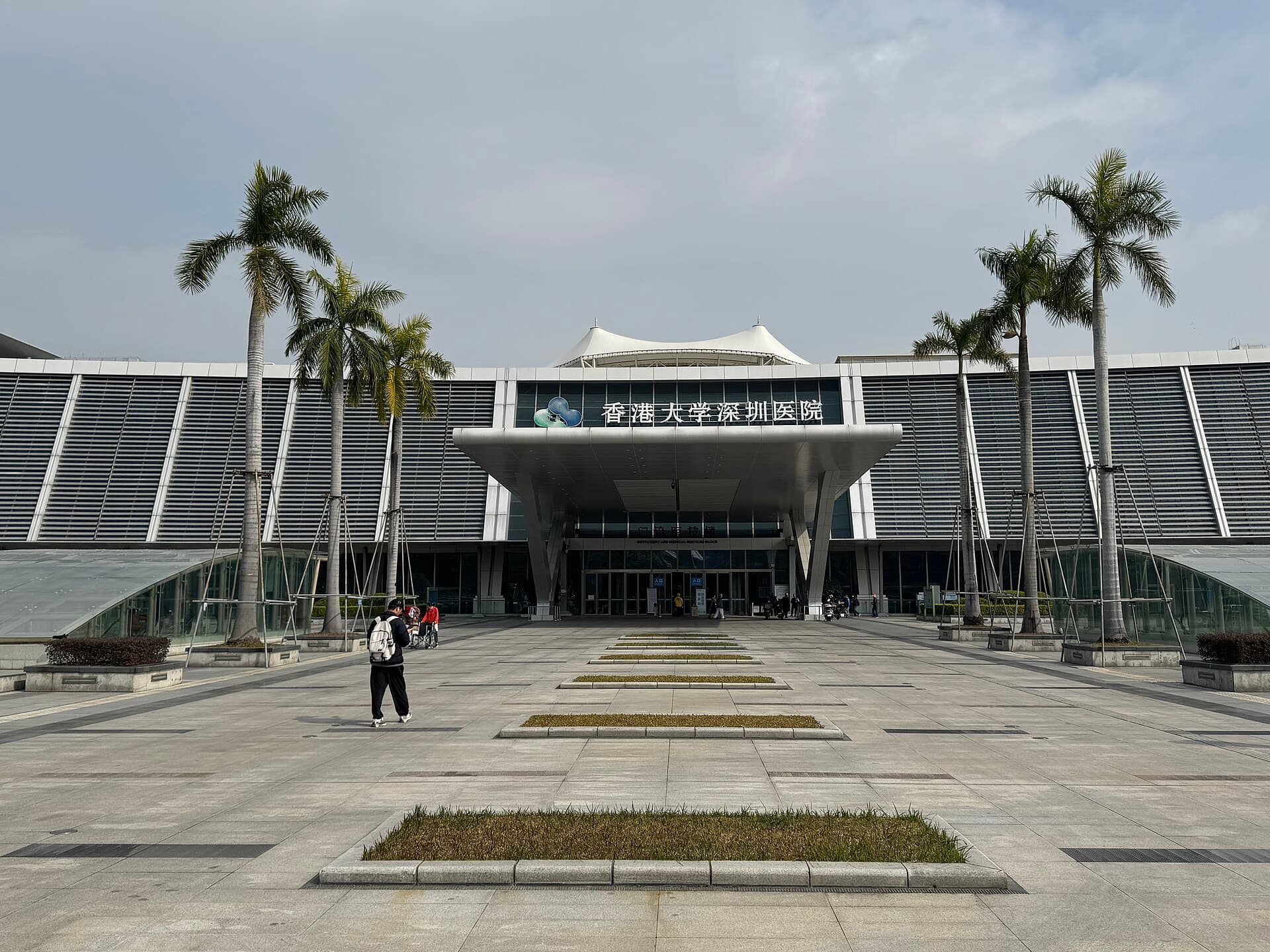
The three institutions below publish identifiable respiratory services. Consider China–Japan Friendship Hospital for an ILD enquiry, Shanghai Tongji Hospital for its explicitly described chronic-cough and asthma subspecialties, and HKU–Shenzhen Hospital for its documented pulmonary nodule multidisciplinary pathway. Each has a published description of the relevant service; the choice depends on your clinical question and whether the hospital can accept your appointment.
A department profile establishes what the institution describes doing. It does not establish whether a particular overseas patient can register, receive a remote opinion, obtain English-language care or attend on a chosen date. Confirm those details only after the relevant team has been identified.
| Hospital | City | Specific enquiry |
|---|---|---|
| China–Japan Friendship Hospital | Beijing | Interstitial lung disease and diagnostic review |
| Shanghai Tongji Hospital | Shanghai | Chronic cough, asthma or another listed respiratory subspecialty |
| The University of Hong Kong–Shenzhen Hospital | Shenzhen | Pulmonary nodule MDT referral pathway |
Beijing: China–Japan Friendship Hospital for ILD assessment
China–Japan Friendship Hospital’s Respiratory Medicine Division Three describes dedicated ILD work. That makes it a concrete enquiry for a patient whose main unresolved issue is the diagnosis behind suspected fibrosis or another diffuse lung condition.
Use the specific service name in the enquiry and attach an inventory of available CT studies, lung-function tests and clinical letters. Ask whether the initial step is an individual outpatient visit or whether a multidisciplinary discussion can be considered after assessment. Do not describe an unconfirmed diagnosis as established simply to match the clinic name.
The hospital also has a published respiratory specialty-clinic directory, dated 2022. It is useful for understanding the division of services, but it should not be used as a current timetable. Obtain the live clinic, campus and registration instructions from the hospital before arranging travel.
Shanghai: Tongji Hospital for cough and airway conditions
Shanghai Tongji Hospital’s department profile lists chronic cough, asthma, COPD, interstitial lung disease and other respiratory subspecialties. This is Tongji Hospital in Shanghai, not the hospital of the same name in Wuhan or Shanghai Pulmonary Hospital.
The profile gives a practical reason to ask about a problem-specific clinic rather than booking an unspecified respiratory visit. For a chronic-cough or asthma enquiry, organise the symptom history, previous investigations and treatment record so the team can understand what has already been assessed. A list of medicines without the doses and periods of use leaves a gap.
For bronchiectasis with repeated infections, seek a respiratory team able to review the diagnosis, previous microbiology and long-term care. The cited Tongji profile does not establish a dedicated bronchiectasis clinic, so confirm that capability directly rather than inferring it from a broad respiratory title. Patients needing repeated follow-up should also agree how the plan will be managed at home.
Shenzhen: HKU–Shenzhen Hospital for nodule review
HKU–Shenzhen Hospital publishes a pulmonary nodule MDT service for diagnostic uncertainty and decisions involving different options. The pathway includes referral by a relevant specialist, so the first enquiry should establish how that referral is arranged.
Ask whether the patient should begin in respiratory medicine, thoracic surgery or another designated clinic, and which images must be available before referral. Do not equate finding the MDT page with being able to book a direct appointment. A clinical case discussion may also have a different schedule and fee from the initial consultation.
The hospital’s official appointment-channel page is the administrative starting point. Confirm that the chosen channel supports your identity document and clinic. Request the campus and arrival instructions in the confirmation, and ask how the clinical conclusion is supplied if you will be returning overseas.
Before booking the trip
Before booking flights, get confirmation of the clinic, campus, date and documents required. Also establish whether the first visit is a consultation only or whether the hospital expects further appointments after it.
Before paying for travel, obtain the clinic and campus, required documents, consultation fee, language arrangements and the expected form of the assessment. Ask separately whether any review can occur before arrival. A general enquiry, an appointment confirmation and clinical acceptance for a procedure are different stages.
Compare the proposed visit with what is available locally: which question would this team answer, and how would the answer change your next decision? For a patient with a stable diagnosis and a workable local plan, a long journey may add little. For unresolved diagnostic questions, a focused specialist review may be more useful than booking a broad battery of tests.
Discuss fitness to travel with your treating team, keep existing care in place and identify who will supervise any follow-up at home. Acute breathing difficulty or significant coughing of blood needs local medical attention. MedicCN can assist with agreed administrative and language arrangements; the hospital makes clinical and access decisions.