
Guides
China visas for US citizens: the medical-travel path
US citizens planning treatment in China: choosing a visa category, the current $140 regular fee, application stages and the limits of Hainan and transit exemptions.
By MedicCN, Editorial research · Official policy and payment sources verified · published 2026-09-07 · sources checked 2026-09-26
Fees and process stages are the visa authorities' published figures as quoted in the article; confirm current amounts before filing. MedicCN coordinates treatment travel and does not decide visa outcomes.
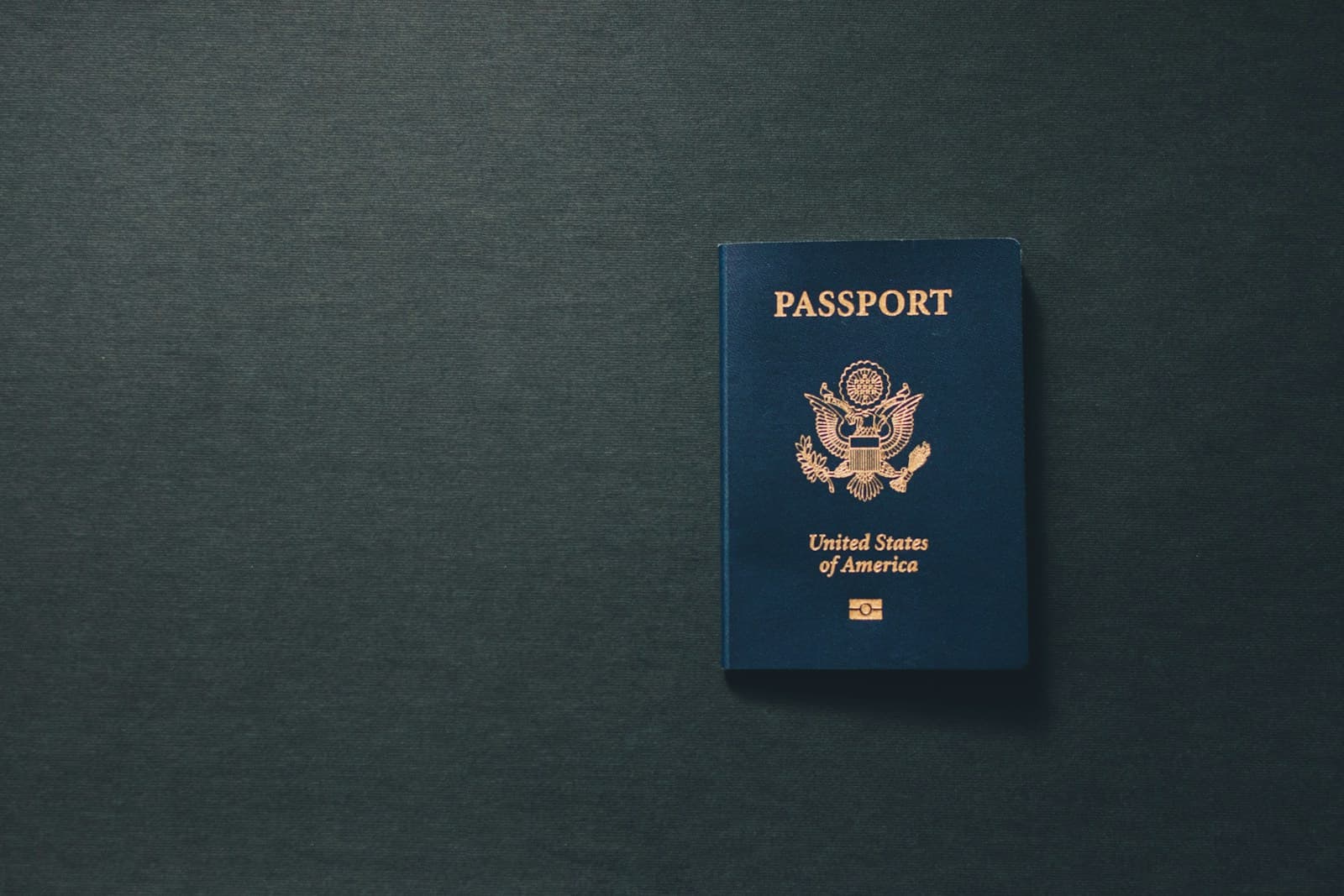
For a mainland treatment trip, start with the visa application
US citizens do not qualify for China’s general unilateral 30-day visa waiver. A treatment trip to Beijing or Shanghai normally needs an appropriate visa arranged before departure. Hainan’s medical-entry exemption and qualifying transit are separate routes with their own geographical and itinerary limits.
The first useful message to the visa office is specific: “I hold a US passport, live in this state, plan assessment or treatment at this hospital, and expect to stay for these dates.” Medical/private-affairs classification should be resolved from those facts. A tourist application’s simplified paperwork does not make tourism the correct declaration for a treatment-led visit.
Use the office responsible for your US residence. The Embassy in Washington and the consulates have distinct consular districts; selecting the wrong office can interrupt an otherwise complete file. Keep proof of residence, such as the accepted licence, utility statement or bank statement, ready with the application.
Check the passport and the three separate visa fields
The Embassy’s current application checklist requires a passport with more than six months’ remaining validity and at least two blank visa pages. Its basic documents also include the latest Chinese visa or residence permit where applicable. Resolve an expiring passport before preparing hospital letters under that passport number.
For a qualifying medical visit, S2 private affairs is the short-stay category to discuss; S1 concerns qualifying stays over 180 days. The office specifies supporting documents for other private affairs. Former Chinese nationals and applicants who changed names have additional document requirements, so their files cannot be reduced to the ordinary passport checklist.
On an issued visa, “Enter Before,” “Entries” and “Duration of Each Stay” answer different questions: when an entry may be made, how many entries remain, and how long each visit may last. A ten-year validity does not mean ten-year residence. Two planned treatment trips require both appropriate validity and sufficient entries.
Budget $140 per regular application, plus the filing expenses
The current government visa fee for US citizens is $140 through 31 December 2026. Express service adds $25. A patient and companion applying at the regular rate therefore pay $280 in government visa fees; express service for both would bring that component to $330.
Agent charges, document delivery and travel to the office are separate. Compare an agent’s itemised fee with the time and transport cost of filing yourself, and establish who holds and returns the original passport. An agency service cannot guarantee a consular decision.
The fee reduction has an end date. A 2027 application needs the notice applicable at that time, rather than this 2026 figure. The same budgeting principle applies to a companion with another nationality: their applicable government fee may differ from the US-passport rate.
COVA has a review stage and a passport stage
Submit the form and uploads in the New COVA system, then wait for the status “Passport to be submitted.” At that stage, the applicant or agent presents the passport, barcode information page and required originals to the responsible office. Online submission alone does not complete the process.
The Embassy lists regular processing at four business days and express at three, measured from passport submission. These are reference averages, not guaranteed completion dates, and exclude online preparation and review. A hospital appointment next week cannot safely be planned from a “four-day visa” headline.
After the collection date shown on the receipt, use the system’s “Passport to be collected” status before collecting. Check the name, passport number and visa fields immediately. An error is easier to resolve at collection than at an airport. Keep the issued visa and the hospital’s confirmed dates together when finalising flights.
Use an exemption only when the whole itinerary qualifies
US citizens are eligible for the 240-hour transit policy when they meet its onward-travel, port and permitted-area conditions. A US–China–US return trip is not transit to a third country. Hainan separately allows eligible US ordinary-passport holders to visit for medical treatment within the province for up to 30 days.
Neither arrangement provides an open-ended treatment stay. Check the permitted geography as carefully as the calendar, and leave clinical decisions to the treating team: travel eligibility cannot establish whether discharge or a return flight is medically appropriate.