
Guides
Peking Union, West China or Ruijin? Choose the hospital by the problem
Three famous Chinese hospitals, three different starting points. How to compare their published specialties, international services and practical routes into care.
By MedicCN, Editorial research · published 2026-10-10 · sources checked 2026-10-09
An editorial selection based on linked hospital and government information. Sources checked on 9 October 2026. This guide has not undergone independent clinical review; hospital inclusion does not imply a MedicCN partnership or a confirmed appointment.
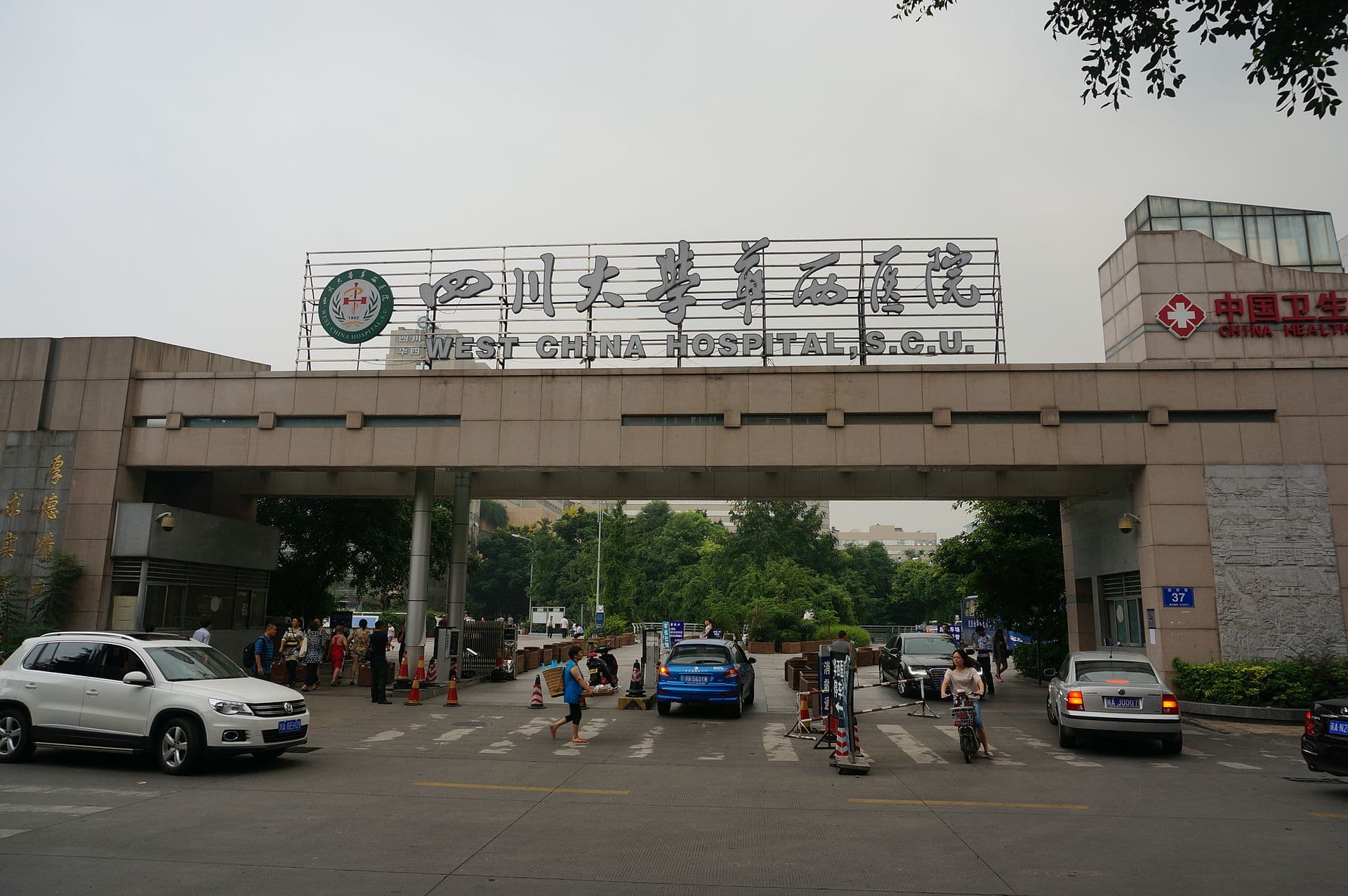
Choose a department before choosing a destination
Peking Union is worth considering for a difficult diagnostic question that may cross specialties. West China offers a broad specialist base in Chengdu, including substantial surgical services. Ruijin gives patients seeking hematology or endocrinology care a concrete Shanghai option to investigate. None of these starting points replaces a review of the individual case.
A famous hospital name is useful shorthand until you try to book. Then the distinctions become more precise: which department, which doctor, which campus and which service for an international patient? A leading general hospital is still a collection of teams with different work, schedules and requirements.
The comparison below draws on the hospitals’ own service descriptions and Shanghai’s official guide. The suggested starting points are editorial judgements about where to begin an enquiry. They are not claims that one hospital achieves better outcomes than another.
| Hospital | A reason to investigate it | Published route into care |
|---|---|---|
| Peking Union Medical College Hospital · Beijing | A difficult diagnosis or a question involving more than one specialty | International Medical Services; English website and bilingual app |
| West China Hospital · Chengdu | A named medical or surgical specialty in southwest China | International Medical Center; appointment assistance described on the English site |
| Ruijin Hospital · Shanghai | Hematology, endocrinology and other listed specialist services | International service contact in Shanghai’s official hospital guide |
Peking Union: make the diagnostic question explicit
PUMCH is a reasonable hospital to investigate when the problem is an unresolved diagnosis or a need for input across specialties. Send the question you need answered, rather than a request to ‘check everything’.
The hospital’s published department list includes internal medicine, endocrinology, neurology, allergy, surgery and other specialties. Its institutional profile emphasises difficult and serious disease. For an international patient, the practical task is to identify which of those teams should receive the initial enquiry.
Suppose you have already seen several doctors and still do not have a clear explanation. A one-page timeline of symptoms, the investigations already performed and the competing diagnoses is a better introduction than dozens of unlabelled reports. State the particular uncertainty: whether a diagnosis needs confirmation, whether two findings could be related, or whether a proposed treatment deserves a second opinion.
PUMCH’s foreign-patient notice directs users to English online booking or its bilingual app. That is an access route, not a promise of a multidisciplinary consultation in a single visit. Establish the first appointment and let the team explain whether another specialty or further testing is needed.
West China: a broad specialist base in Chengdu
West China is a useful option when you already know the specialty you need and Chengdu is a practical destination. Its breadth is a reason to look closely at the relevant team, not a reason to book an unspecified hospital visit.
The English directory lists gastrointestinal and colorectal services, orthopedics, thoracic surgery and many medical departments. Its international centre describes a nurse-assisted route to appointments. For a patient choosing southwest China, that provides a way to enquire about specialist care without starting with an unfamiliar general booking system.
For a surgical second opinion, make the disputed decision clear. Are you trying to establish whether an operation is needed, understand an alternative approach, or ask about a further operation after earlier treatment? These require different preparation. Include the existing diagnosis and operation history, then obtain the hospital’s instructions for sending reports and images.
The colorectal team’s own description includes inflammatory bowel disease surgery and complex colorectal work. Those details are more useful for a relevant case than a whole-hospital position in a ranking. They still do not tell you whether that team will accept your case or how long the assessment will take.
Check the full institution name on every document. ‘West China’ also appears in the names of separate university hospitals. An appointment at the stomatology hospital is not an appointment at West China Hospital, and a map search should not decide your destination for you.
Ruijin: investigate the relevant team, especially for blood and endocrine disorders
Hematology and endocrinology are concrete places to begin a Ruijin enquiry. For an overseas patient with an established condition, the immediate question is which clinic should review the records and what it needs before offering an appointment.
Shanghai’s official profile lists those services alongside burn medicine, general surgery and a wide range of other departments. It also publishes an international contact and English service information. Use that route to identify the clinic rather than trying to infer an appointment pathway from a research article or a news story.
A hematology enquiry should name the diagnosis already given and the treatment received, without assuming that a particular advanced therapy is appropriate. An endocrinology enquiry should explain the existing diagnosis and the unresolved issue. If the diagnosis is uncertain, say so. The aim is to let the receiving team identify the right first assessment.
The published contact is vip@rjh.com.cn. Ask how to submit records securely and whether any original material will be required later. Keep a clear distinction between a reply discussing your case, an appointment booking, and acceptance for treatment: each is a different step.
Sometimes the better shortlist starts elsewhere
A narrower specialty match can be more useful than choosing among three famous general hospitals. Broaden the comparison if the department you need has a clearer route at another institution.
For a neurological or neurosurgical enquiry in Shanghai, Huashan’s official international profile gives named departments and contact information. For cardiovascular or liver-related care, Zhongshan’s government profile is another specific starting point. For an anorectal problem, a dedicated department guide may help more than a comparison of general hospitals.
If your immediate need is a first consultation in English, it may be more sensible to begin with an accessible general practitioner or international clinic and obtain a referral, rather than choosing a distant centre before anyone has identified the problem. For an already established complex diagnosis, the specialist team should take priority over convenience.
Compare the actual replies from two plausible teams: the proposed first appointment, requested records, language arrangements, initial charges and expected sequence. Choose the route that can address the question you have now. A prestigious name becomes useful only when it leads to the right conversation.